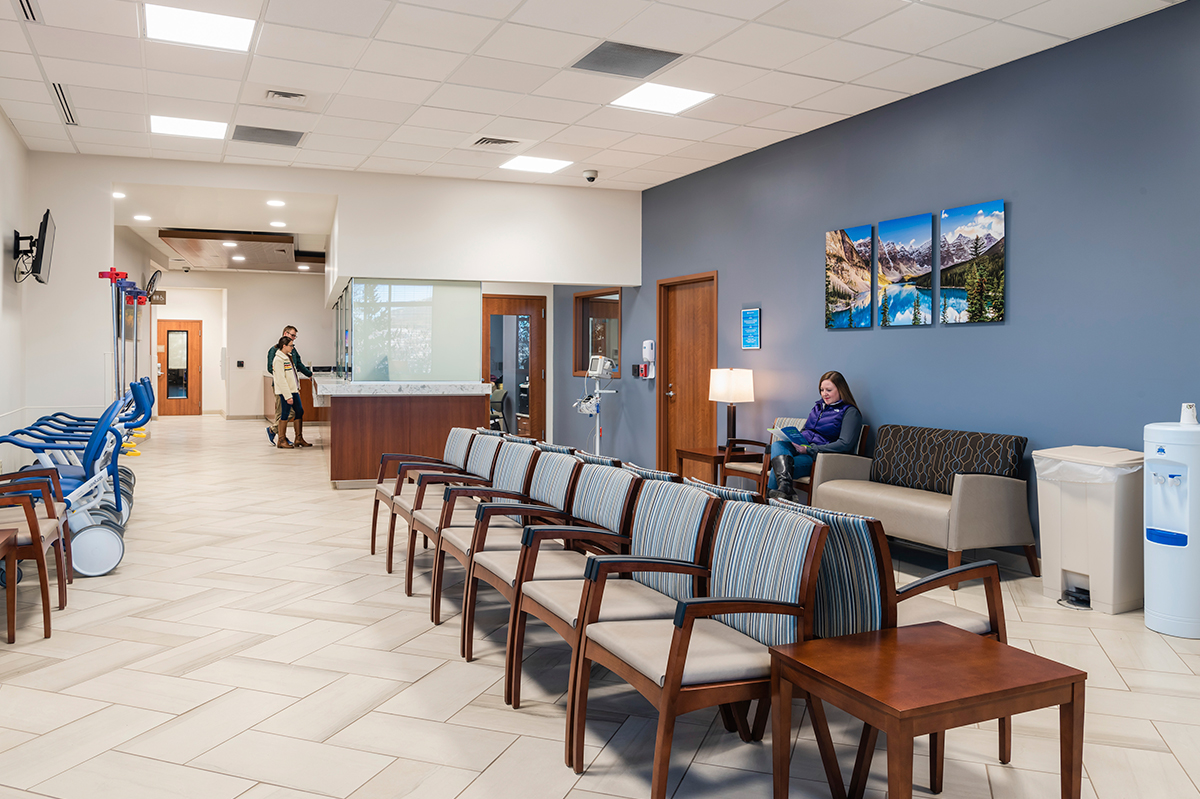
Refreshing Healthcare Interiors: Strategic Updates That Improve Experience, Performance, and Longevity

Chelsey Bishir
Chelsey Bishir
Interior Designer

Healthcare environments age quickly. High traffic, evolving technology, and changing patient expectations can make a facility feel outdated long before systems or infrastructure need replacement. A full renovation is not always feasible, but targeted interior updates can significantly improve patient experience, support staff efficiency, and extend the life of a facility.

At MOA ARCHITECTURE, we approach healthcare refresh projects as more than cosmetic improvements. A thoughtful refresh balances aesthetics, durability, infection control, and operational flow to create meaningful impact. The following considerations help healthcare organizations modernize their spaces effectively.

Start With Experience, Not Finishes

Before selecting paint colors or artwork, it is important to understand how the space is performing. Observing patient movement, staff workflows, and bottlenecks often reveals opportunities that go beyond surface updates. Even small adjustments such as repositioning seating, improving visibility at check in, or redefining circulation paths can enhance both patient comfort and operational efficiency.

Patients often form impressions within seconds of arrival. A welcoming and organized environment communicates professionalism and builds trust. Staff benefit from spaces that reduce stress and support efficient care delivery. A refresh should aim to improve both simultaneously.

Paint as a Strategic Tool

Paint remains one of the most cost effective ways to transform a healthcare space, but its impact goes beyond aesthetics.

Enhancing Light and Perception
Lighter and warmer tones can help compensate for limited natural daylight and create a more uplifting environment. Subtle contrast between walls, floors, and door frames can also improve accessibility for aging populations and individuals with visual impairments.

Supporting Wayfinding
Color zoning can guide patients intuitively. Differentiating public corridors from staff only areas or highlighting key destinations like check in and exam pods reduces confusion and reliance on signage.

Reinforcing Brand Identity
Incorporating brand colors strategically creates recognition while maintaining a calm clinical atmosphere. Accent walls, feature niches, and reception elements often provide the best opportunities.

Durability Matters
Healthcare environments demand more than standard paint. High performance coatings that resist scuffs, allow frequent cleaning, and withstand disinfectants extend the lifecycle of the refresh and reduce maintenance costs.

Artwork and Positive Distraction

Thoughtfully selected artwork can reduce stress and improve patient perception of care. The concept of positive distraction is especially important in healthcare settings, where anxiety is common.

Tailoring Artwork to Patient Populations

  • Pediatric spaces benefit from playful, friendly imagery that reduces fear and supports engagement.
  • Primary care environments often incorporate nature or community inspired themes that feel familiar and welcoming.
  • Behavioral health settings typically use abstract or non specific imagery to avoid triggering personal associations or trauma.

Placement Strategy
Artwork is most effective when integrated intentionally. This includes waiting zones, decision points in corridors, and exam rooms where patients spend longer periods. Proper mounting and cleanable frames are essential to meet infection control standards.

Beyond Paint and Art: High Impact Refresh Opportunities

While paint and artwork are foundational, other targeted updates can elevate a space without major construction.

Lighting Improvements
Switching to LED fixtures, increasing ambient light, or adding layered lighting at reception areas enhances visibility and creates a more welcoming atmosphere.

Furniture Updates
Replacing worn seating with cleanable, healthcare grade furniture improves both aesthetics and infection control. Flexible seating arrangements can also support varying patient needs.

Flooring Transitions
Selective flooring replacement in high traffic areas can modernize a space while improving durability and maintenance.

Acoustic Enhancements
Reducing noise through acoustic panels or ceiling improvements can decrease stress and improve speech privacy.

Millwork and Reception Enhancements
Refreshing front desks, adding modest feature walls, or updating casework often delivers strong visual impact with minimal disruption.

Minimize Disruption to Care

Healthcare refresh projects often occur in occupied facilities. Phasing work during evenings, weekends, or in defined zones helps maintain operations. Selecting low VOC materials and fast curing finishes reduces downtime and protects indoor air quality. Careful planning ensures improvements are seamless for patients and staff.

Designing for Longevity

A successful refresh prepares the space for the future. Neutral base palettes, modular furniture, durable finishes, and flexible layouts allow facilities to evolve without frequent overhauls. This approach maximizes return on investment and extends the lifecycle of improvements.

Small Changes, Meaningful Impact

Refreshing a healthcare space does not require a full renovation to be effective. Strategic updates guided by workflow, patient experience, and durable material selection can transform perception, improve functionality, and support quality care delivery. Thoughtfully planned improvements create environments that feel modern, welcoming, and aligned with the mission of healthcare providers.

Logo for MOA ARCHITECTURE

COLORADO OFFICE
414 14th St. Suite 300
Denver, CO 80202
(303) 308-1190


WYOMING OFFICE
259 South Center St. Suite 206
Casper, WY 82601
(307) 268-9890

Learn More About MOA
MOA Insights